Ensuring Long-Term Durability of Diesel Generators A Comprehensive Guide
Introduction Diesel generators play a crucial role in providing reliable backup power in various settings, ranging from residential homes to industrial facilities. The long-term durability of a diesel generator is essential to ensure uninterrupted power supply during emergencies and prolonged outages. In this comprehensive guide, we will explore the key factors that contribute to the longevity of diesel generators and provide practical tips for maintaining and enhancing their durability over time. Understanding Diesel Generators Before delving into the aspects of long-term durability, it is essential to understand the basic functioning of diesel generators. A diesel generator is a type of generator that uses a diesel engine to convert mechanical energy into electrical energy. Diesel generators are known for their efficiency, reliability, and robustness, making them ideal for applications where a continuous power supply is crucial. Key Components of a Diesel Generator A diesel generator consists of several key components that work together to generate electricity. These components include: 1. Diesel Engine: The diesel engine is the primary component of a diesel generator responsible for converting diesel fuel into mechanical energy through the process of combustion. 2. 300KW Diesel Generator For Sale : The alternator is connected to the diesel engine and converts the mechanical energy generated by the engine into electrical energy. 3. Fuel System: The fuel system supplies diesel fuel to the engine for combustion, ensuring continuous operation of the generator. 4. Cooling System: The cooling system helps regulate the temperature of the diesel engine to prevent overheating and ensure optimal performance. 5. Exhaust System: The exhaust system removes the combustion gases produced during the operation of the diesel engine and directs them outside the generator enclosure. Factors Affecting Long-Term Durability Several factors can impact the long-term durability of a diesel generator. Understanding these factors is crucial for implementing effective maintenance practices and ensuring the reliable performance of the generator over an extended period. Some of the key factors affecting the durability of diesel generators include: 1. Quality of Components: The quality of components used in the construction of the diesel generator plays a significant role in determining its longevity. High-quality components sourced from reputable manufacturers are more likely to withstand wear and tear and operate efficiently over time. 2. Maintenance Practices: Regular maintenance is essential for preserving the performance and durability of a diesel generator. Proper maintenance includes routine inspections, servicing of key components, and timely repairs to address any issues before they escalate. 3. Operating Conditions: The operating conditions in which a diesel generator is used can impact its longevity. Factors such as temperature, humidity, dust levels, and workload can affect the wear and tear of the generator components and should be taken into consideration when assessing durability. 4. Load Profile: The load profile of a diesel generator, including the frequency and magnitude of power output fluctuations, can influence its durability. Operating the generator within its specified load range and avoiding frequent overloading is essential for preventing premature wear and ensuring long-term reliability. 5. Environmental Factors: Environmental factors such as exposure to harsh weather conditions, corrosive agents, and contaminants can accelerate the deterioration of a diesel generator. Proper protection measures, such as weatherproof enclosures and regular cleaning, are necessary to mitigate the impact of environmental factors on the generator's durability. Maintenance Tips for Long-Term Durability To maximize the longevity of a diesel generator and ensure its reliable performance over an extended period, the following maintenance tips should be followed: 1. Regular Inspections: Conduct regular visual inspections of the diesel generator to check for signs of wear, leaks, corrosion, or other issues that may affect its performance. Inspect the fuel system, cooling system, electrical connections, and other critical components for any abnormalities. 2. Oil and Filter Changes: Change the oil and filters of the diesel engine according to the manufacturer's recommendations or at regular intervals to maintain proper lubrication and prevent contaminants from affecting the engine performance. 3. Cooling System Maintenance: Inspect the cooling system regularly and ensure that the coolant levels are adequate. Clean the radiator and cooling fins to prevent overheating and maintain optimal engine temperature. 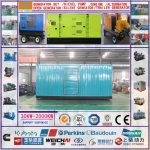 4. Battery Care: Check the condition of the generator's batteries and replace them as needed to ensure reliable starting and operation. Keep the battery terminals clean and free of corrosion to maintain a strong electrical connection. 5. Fuel System Maintenance: Monitor the fuel system for any leaks, blockages, or contamination that could affect the performance of the diesel engine. Use clean and quality diesel fuel to prevent clogging of fuel filters and injectors. 6. Load Testing: Periodically test the diesel generator under load conditions to verify its performance and ensure that it can handle the required power output. Load testing also helps identify any issues with the generator's capacity and efficiency. 7. Electrical System Checks: Inspect the electrical connections, wiring, and control systems of the diesel generator to ensure proper functioning and safety. Tighten loose connections, replace damaged wiring, and test the control panel for accurate operation. 8. Environmental Protection: Shield the diesel generator from harsh environmental conditions by installing weatherproof enclosures, providing adequate ventilation, and keeping the generator area clean and free of debris. Protecting the generator from moisture, dust, and extreme temperatures can extend its lifespan. 9. Professional Servicing: Schedule regular servicing and maintenance by qualified technicians to address complex issues, conduct thorough inspections, and ensure compliance with manufacturer guidelines. Professional servicing helps identify potential problems early and prevent costly breakdowns. 10. Documentation and Record-Keeping: Maintain detailed records of the maintenance activities, repairs, and performance assessments of the diesel generator. Keep track of service schedules, part replacements, and any modifications made to the generator for future reference and tracking of its reliability. Conclusion Ensuring the long-term durability of a diesel generator requires a proactive approach to maintenance, regular inspections, and adherence to best practices for operation and care. By understanding the key factors that influence the lifespan of a diesel generator and implementing effective maintenance strategies, users can extend the reliability and performance of their generators for years to come. Following the maintenance tips outlined in this guide will help safeguard the investment in a diesel generator and maintain a dependable backup power source for critical applications.